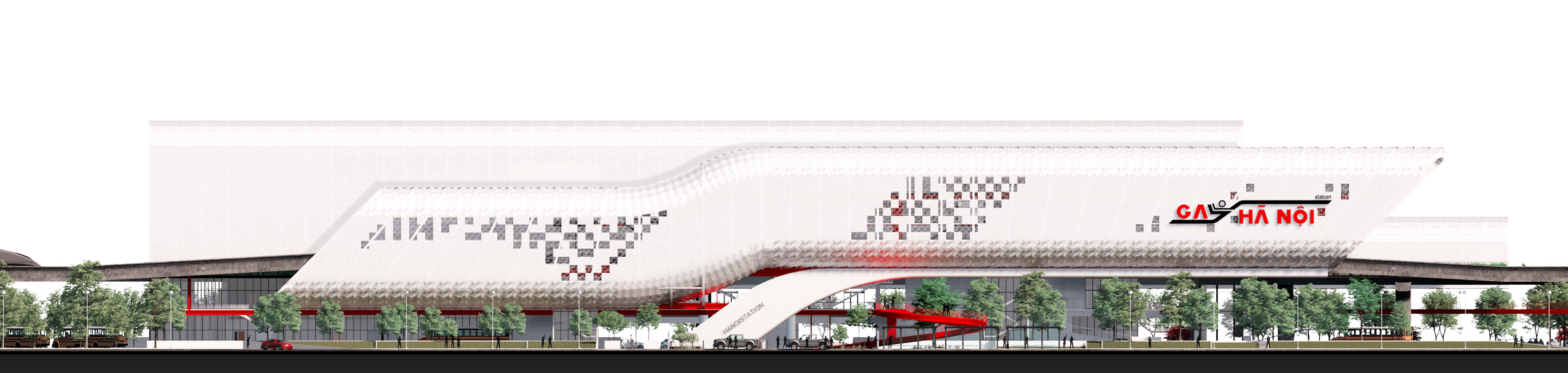
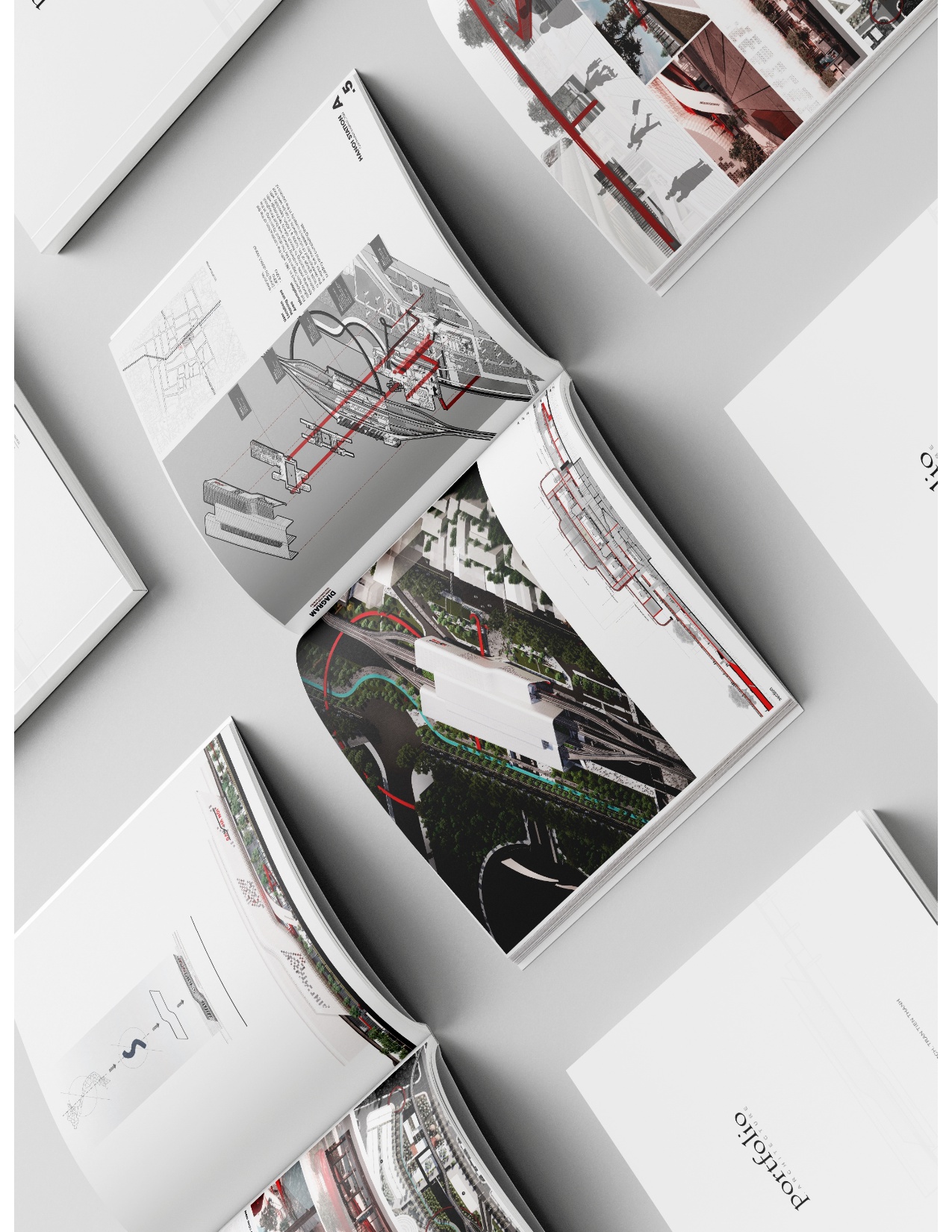
HANOI STATION
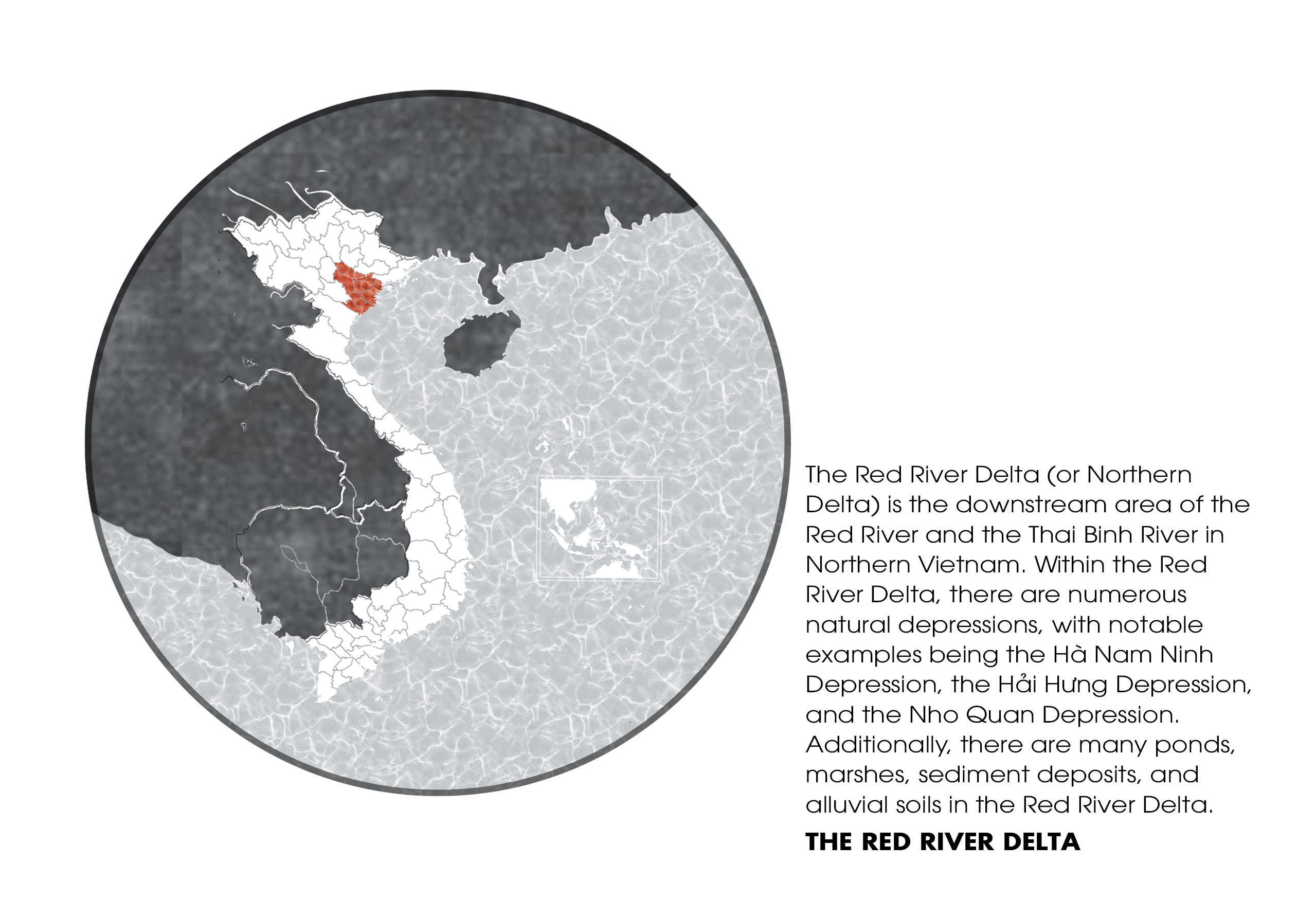
User| everyone, Location| Dong Da district, Hanoi Area| 4.5ha Planning area| 40ha
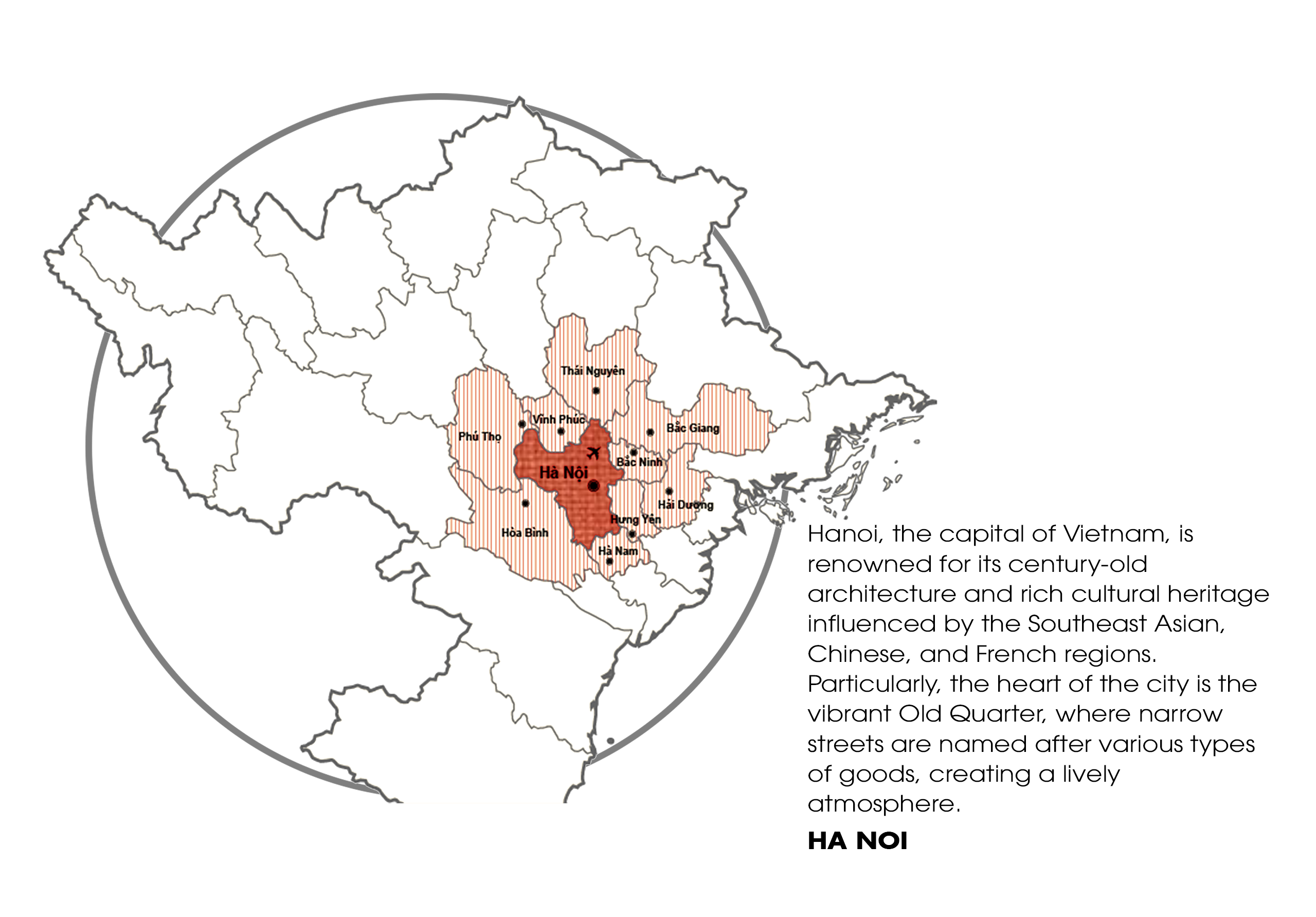
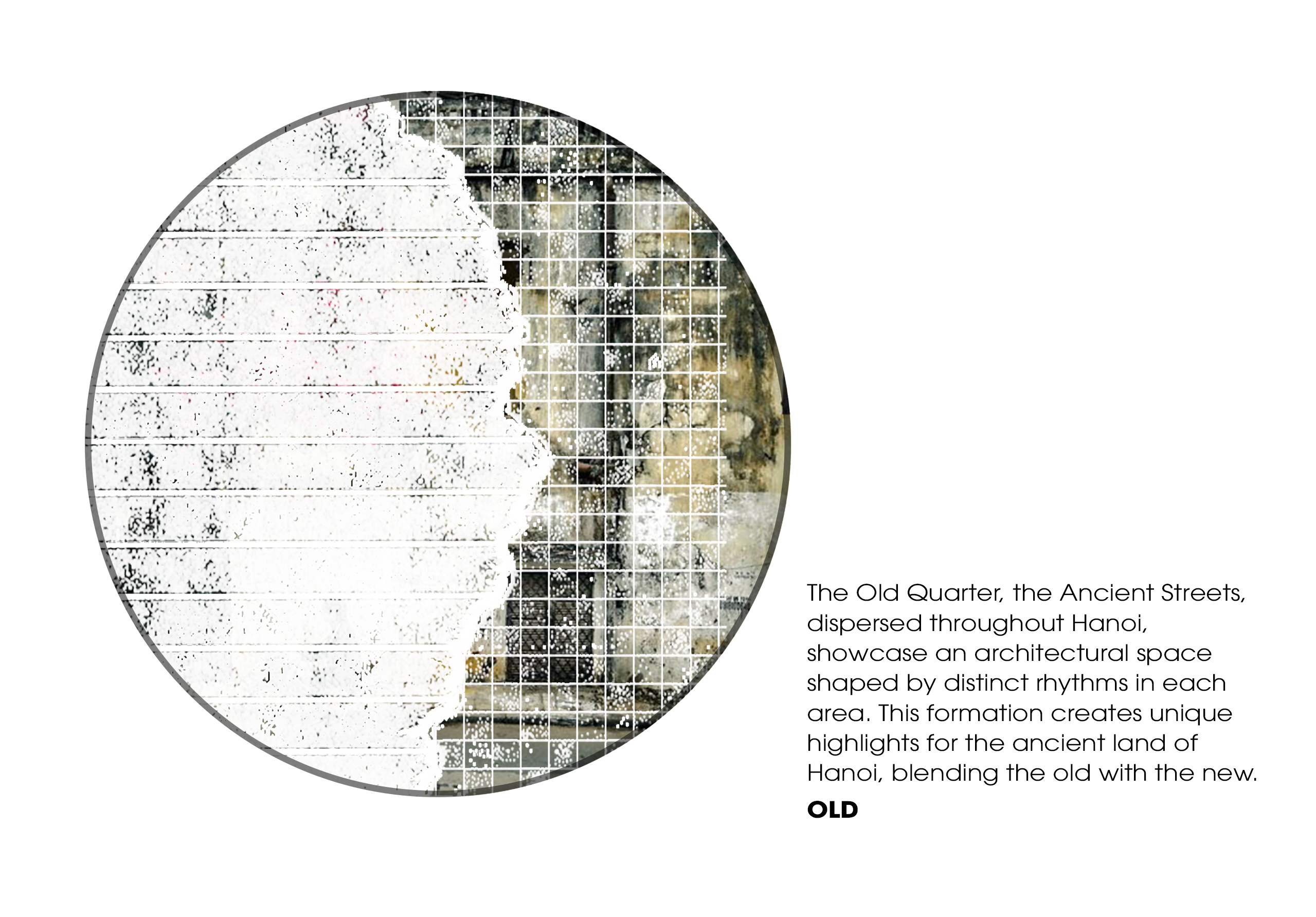
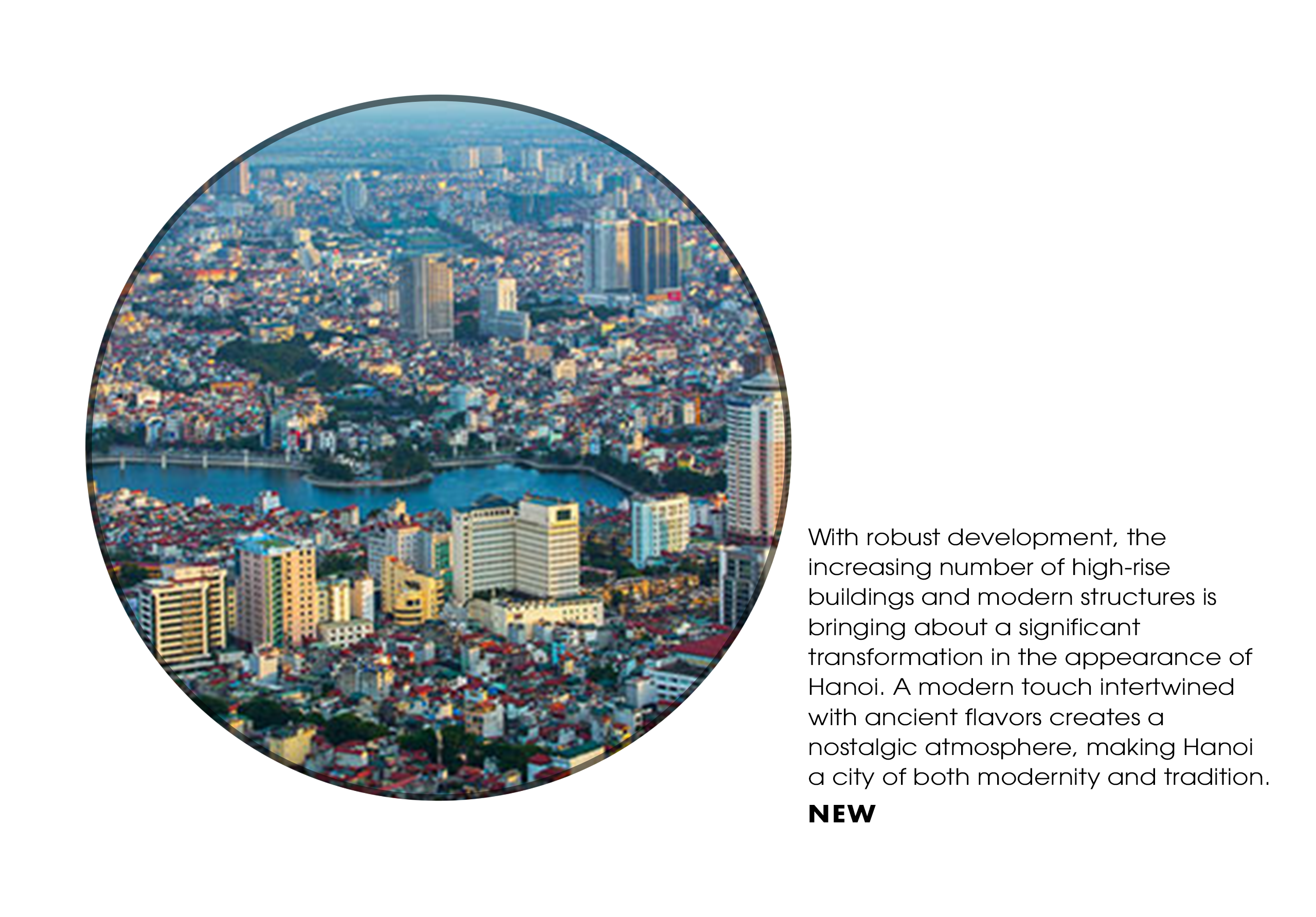
History and progress of development
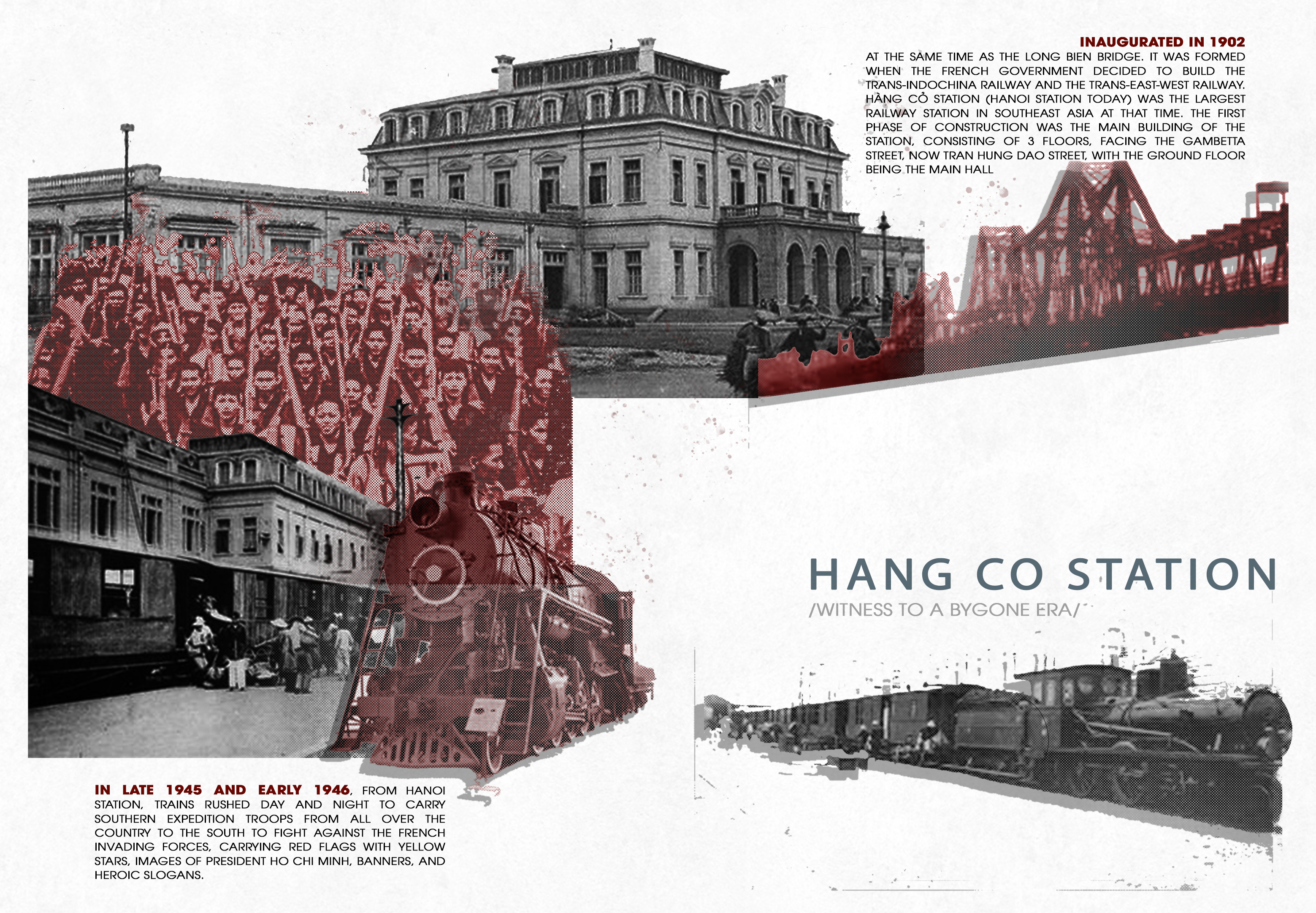
Hanoi Railway Station, also known as Hanoi Central Station, is a major train station in Hanoi, Vietnam. It is the largest railway station in Vietnam and a major transportation hub for the city. The station was built in 1902 by the French colonial government and is a significant landmark in Hanoi's history.
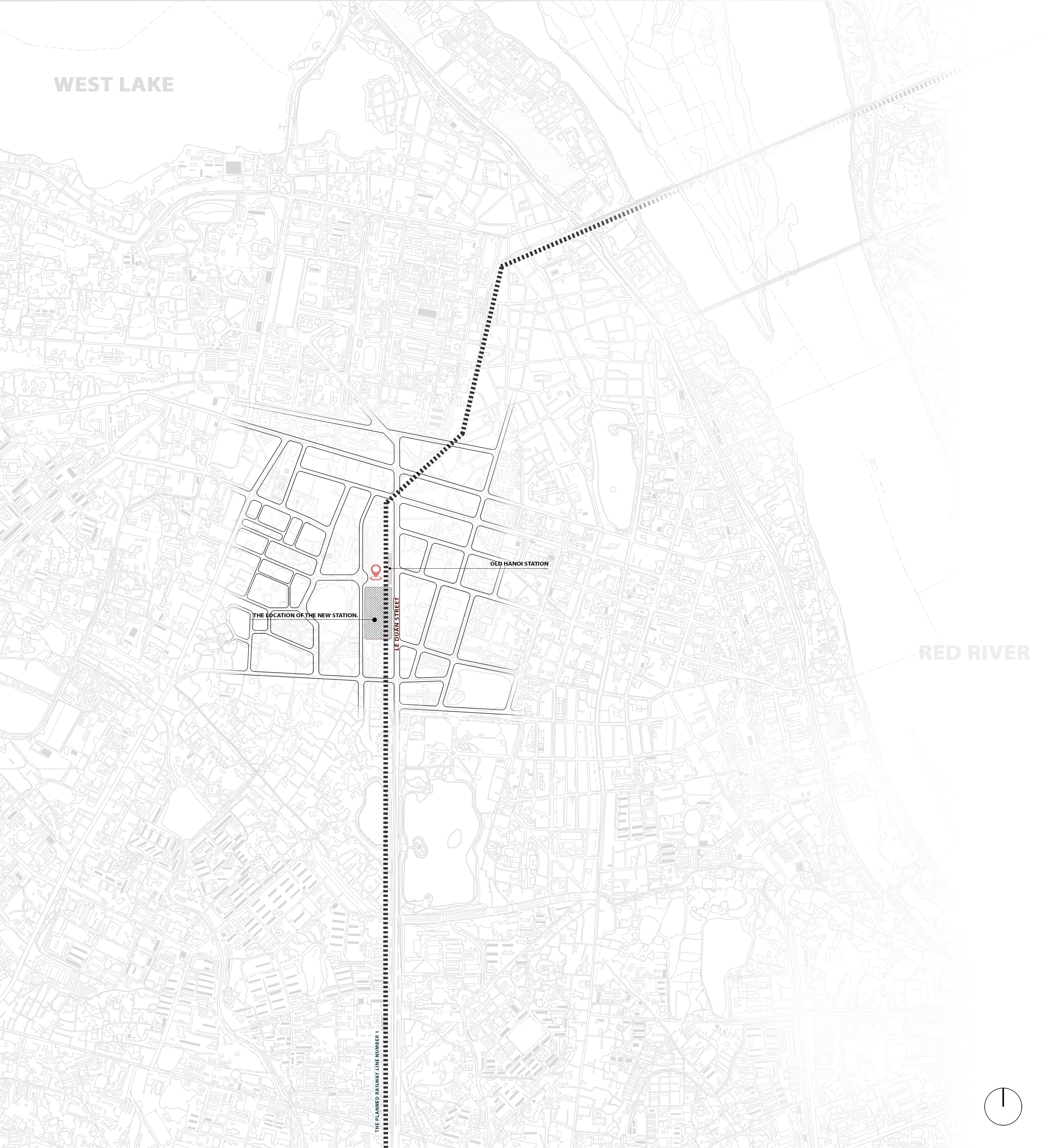
The station is located in the heart of Hanoi, near Hoan Kiem Lake and the Old Quarter. It is a popular tourist destination, and visitors can take a tour of the station to learn about its history and architecture.
The station is a two-story building with a large clock tower. The main hall is decorated with stained glass windows and marble floors. The station has 14 platforms and can accommodate up to 40 trains at a time.
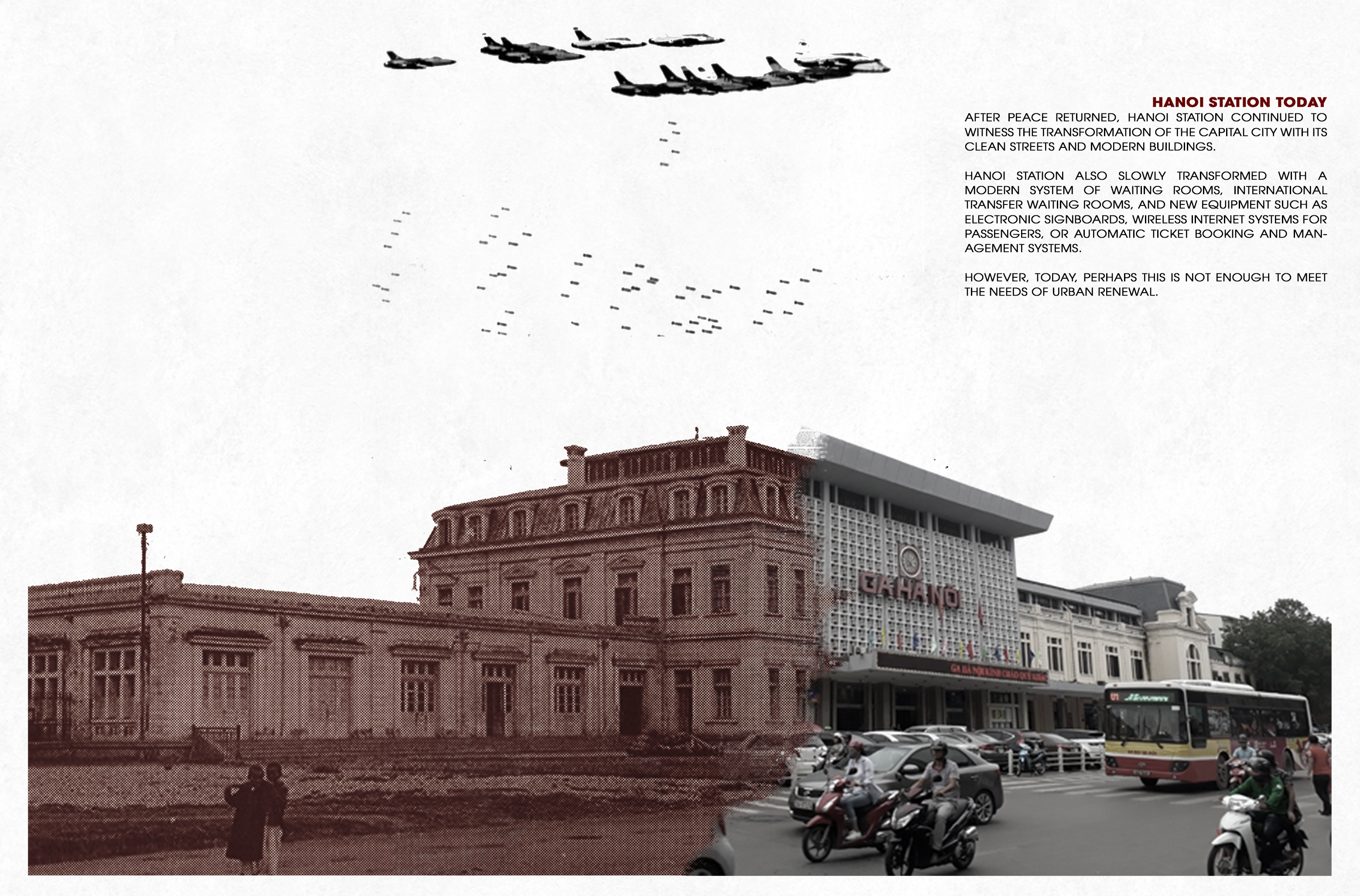
Hanoi Railway Station is a major transportation hub for Hanoi. It is the terminus for trains from all over Vietnam, including the North-South Express, which connects Hanoi to Ho Chi Minh City. The station also serves as a major bus station for buses to other parts of Vietnam and Southeast Asia.
Hanoi Railway Station is a historic landmark and a major transportation hub for Hanoi. It is a must-see for visitors to the city.
Formation and development of a new terminal
To form and develop a new train station, it is necessary to consider and assess factors related to people, lifestyles, and urban characteristics of the area. Among these factors, human factors are the most closely related to the formation of functional spaces in a "meeting point". With regard to passenger activities, we can identify three main categories:
- Basic needs: Moving, cleaning, eating, checking in, etc.
- Information and service: Area information, operating hours chart, city model/map, tour registration, etc.
- Cultural and recreational activities: Rest/sleep, luggage storage, sightseeing around historical sites/areas, learning about regional cultural values, participating and experiencing handicrafts and various types of cultural and artistic activities
Factors 2 and 3 are considered advanced factors for evaluating the formation and development of functions that are appropriate for the current era.
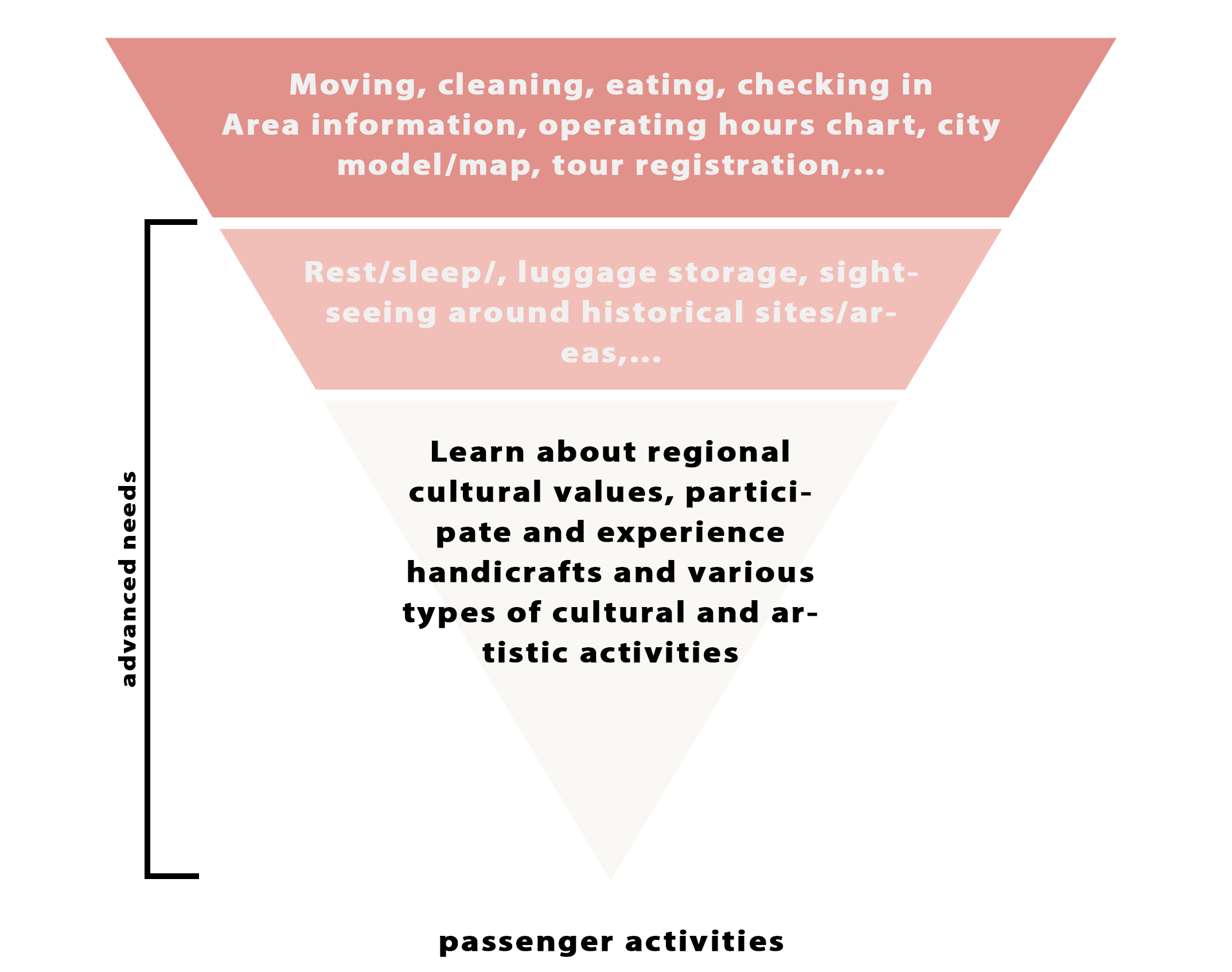
Here are some specific examples of how the diagram could be implemented in a real-world train station:
- Basic needs: The central area of the station could include a train platform, restrooms, food and beverage outlets, and a check-in area.
- Information and service: The outer area of the station could include a tourist information center, a tour registration desk, and a luggage storage facility.
- Cultural and recreational activities: The upper area of the station could include a museum, a gallery, a performing arts venue, and a park.
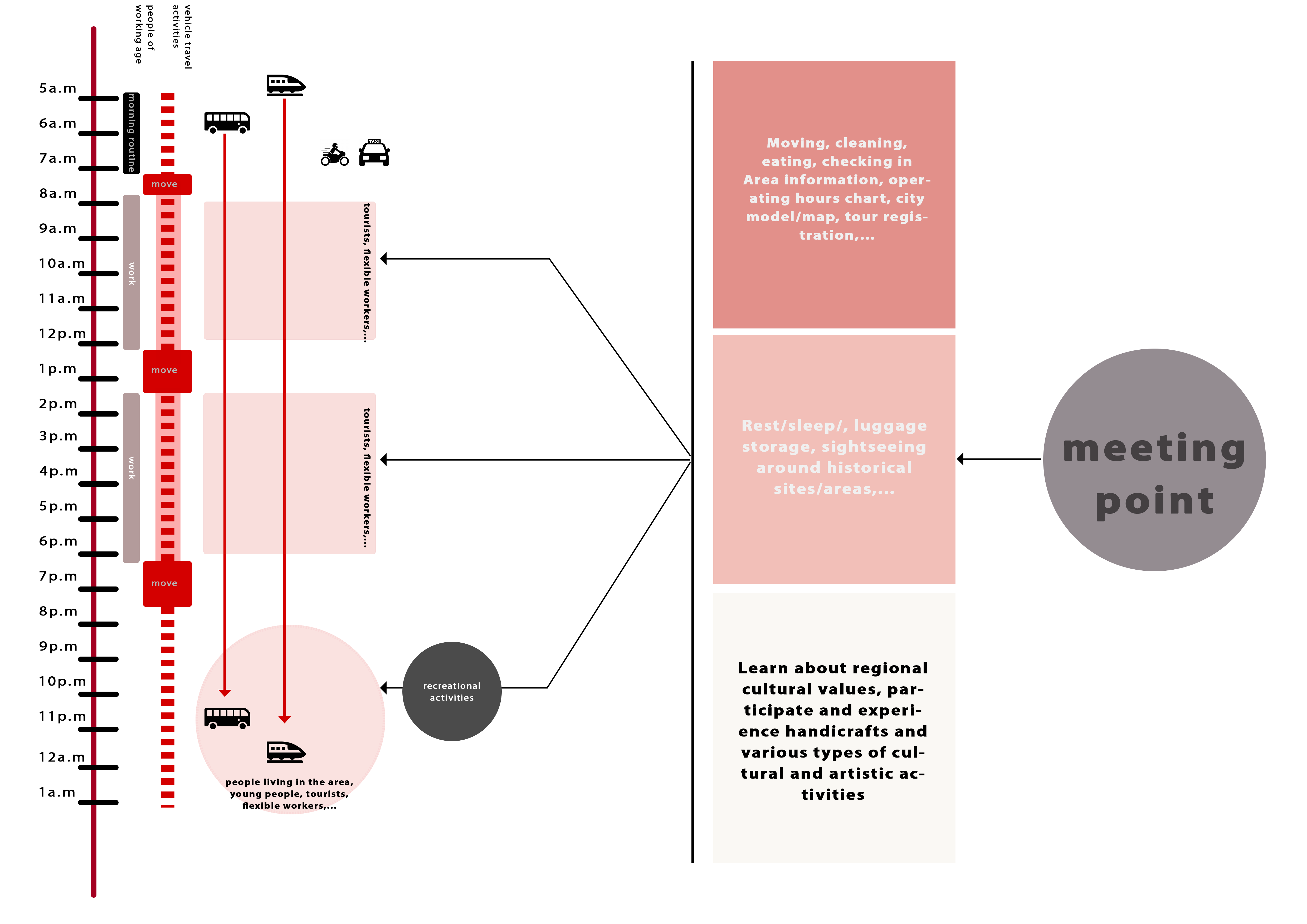
The diagram is a comprehensive representation of the different activities that passengers may need to perform at a train station. It is designed to meet the needs of passengers in the 21st century, who are increasingly looking for a more enjoyable and enriching travel experience.
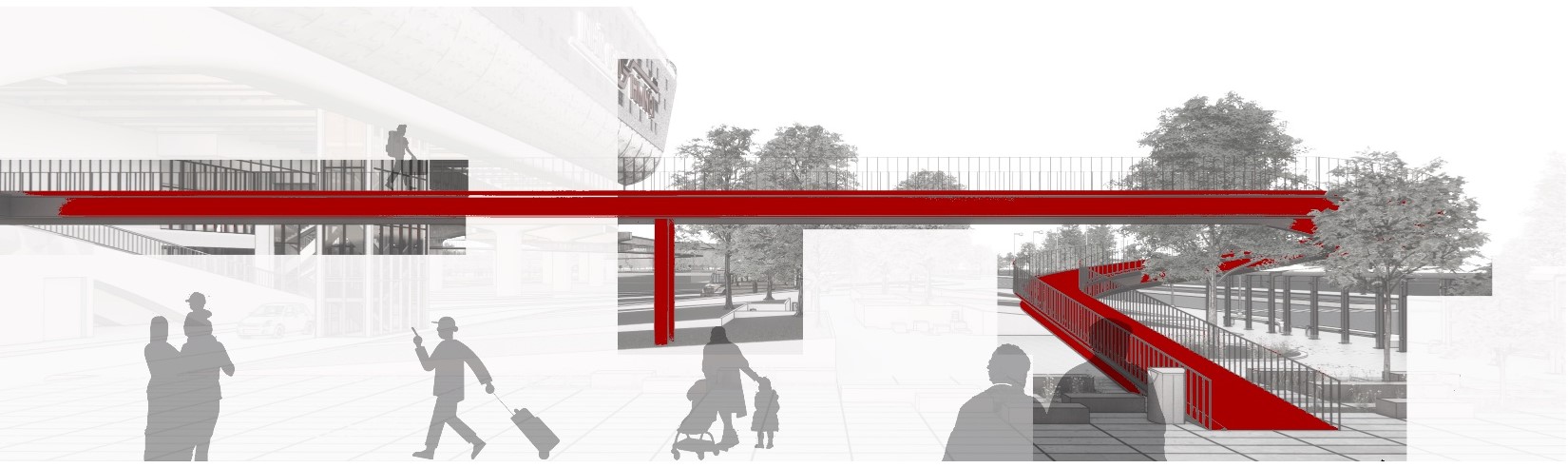
So, we need a new terminal here as…
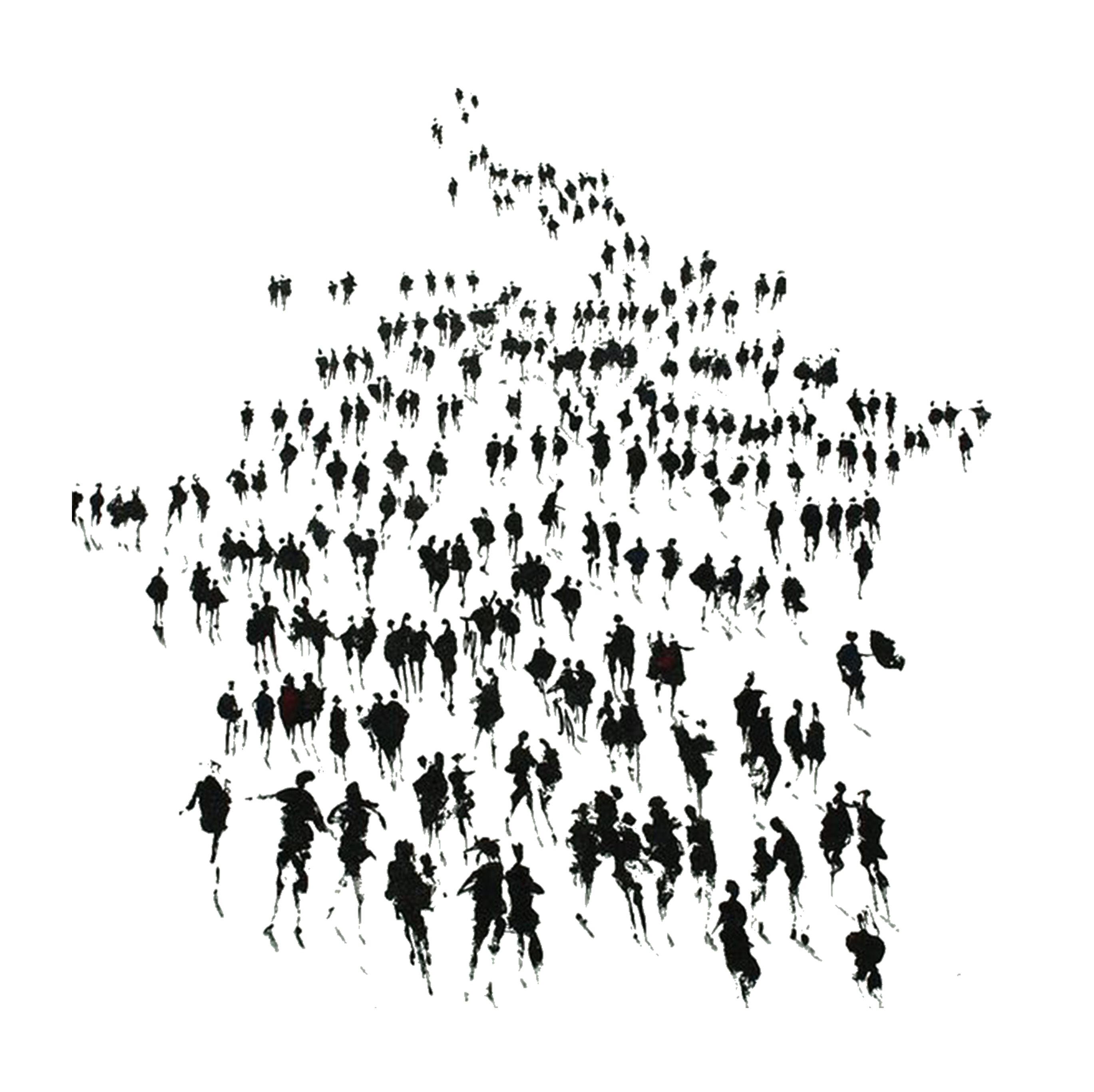
To transform train stations from being just a “point of passage” to a “new destination,” we must create functional spaces that are interconnected and continuous, as well as diverse in terms of function, thereby increasing the range of choices when using the facility.
Create public spaces and activities around the train station. Create zones and buffers for green transportation modes such as public bicycle stations and electric vehicle charging stations.
Reorganize the transportation routes accordingly, minimizing the use of fossil fuel-powered vehicles on those routes. From there, organize additional pedestrian spaces across the streets to promote activities from within the facility to the surrounding areas.
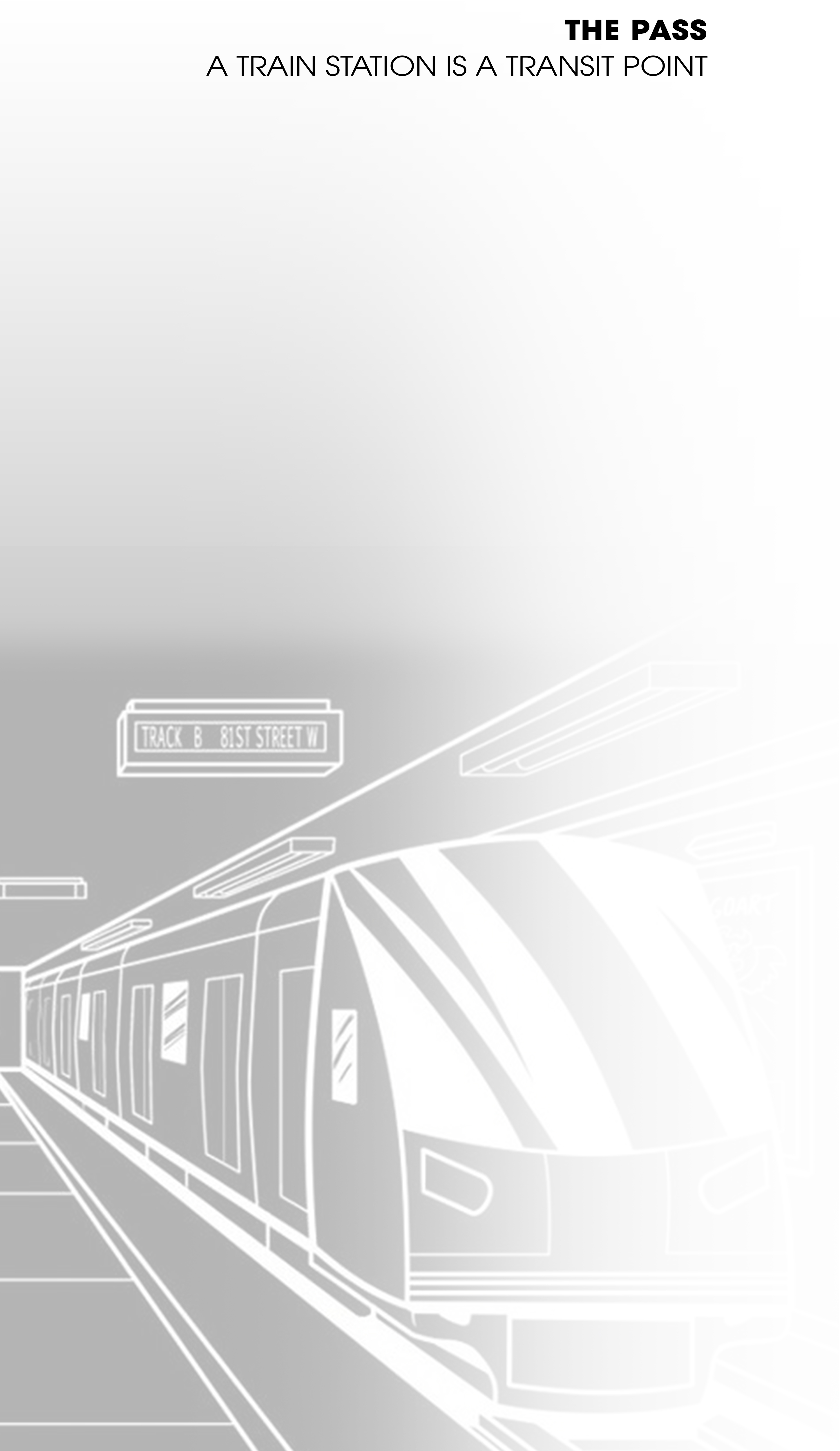
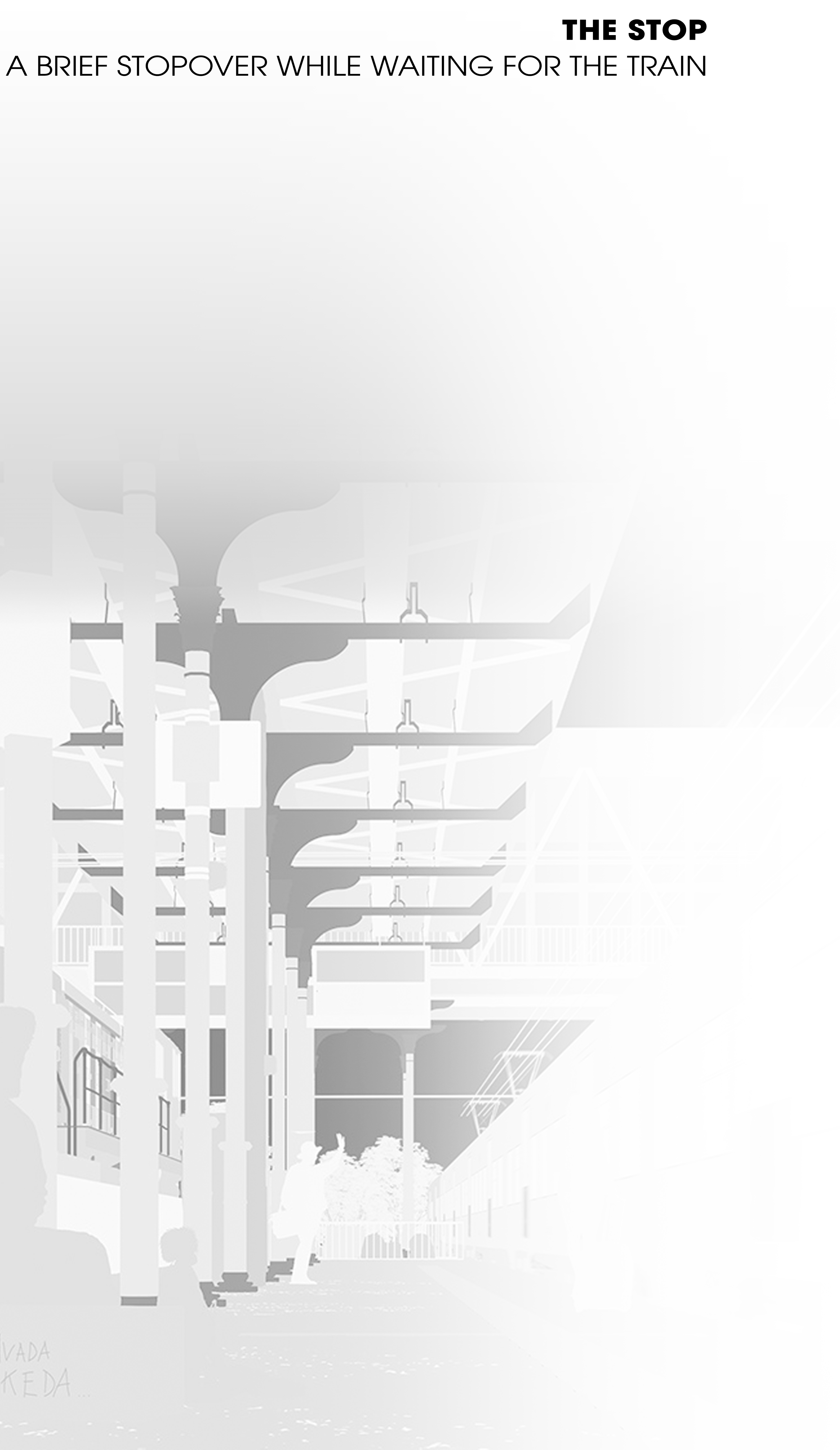
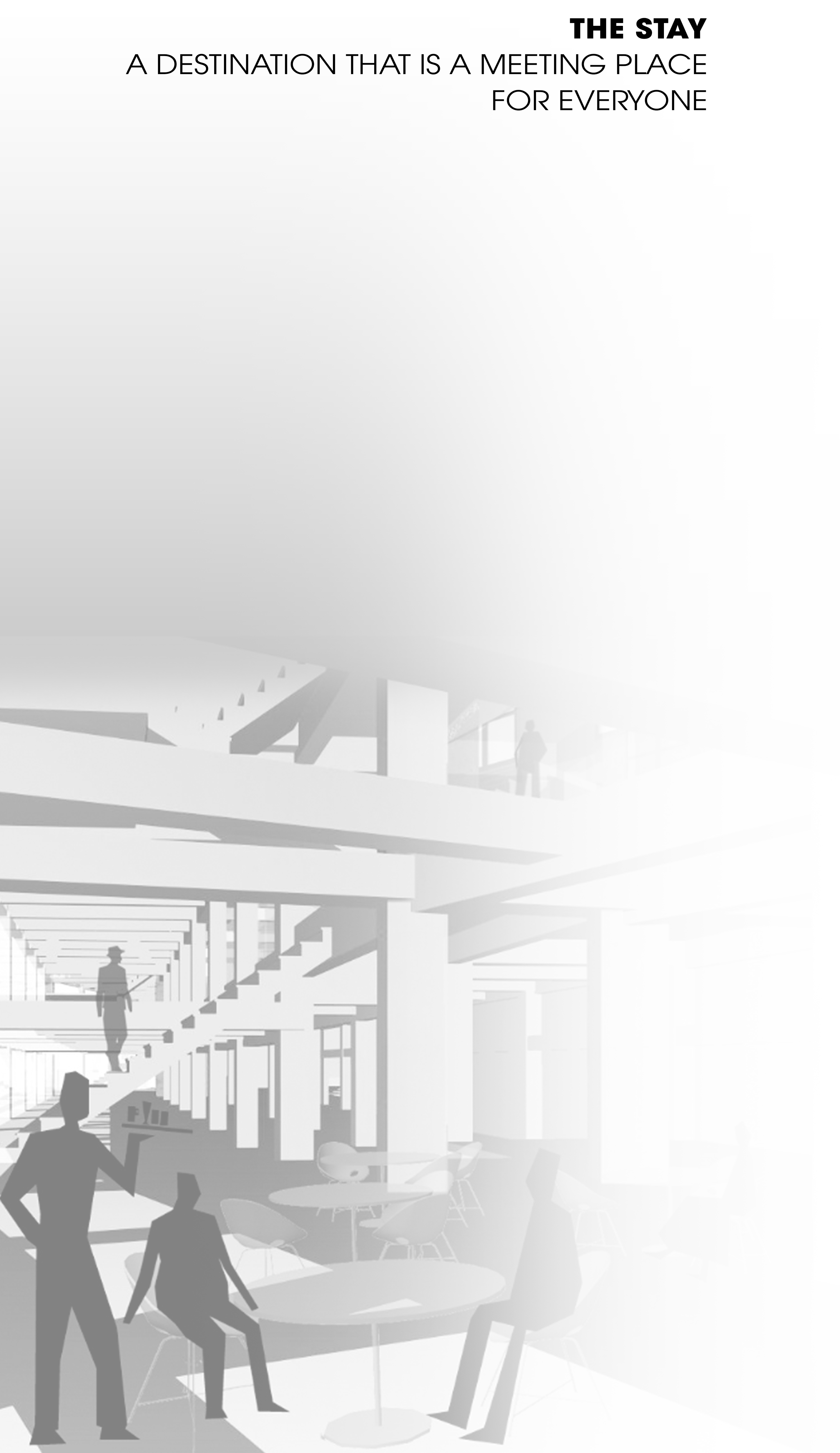
………hmm!……
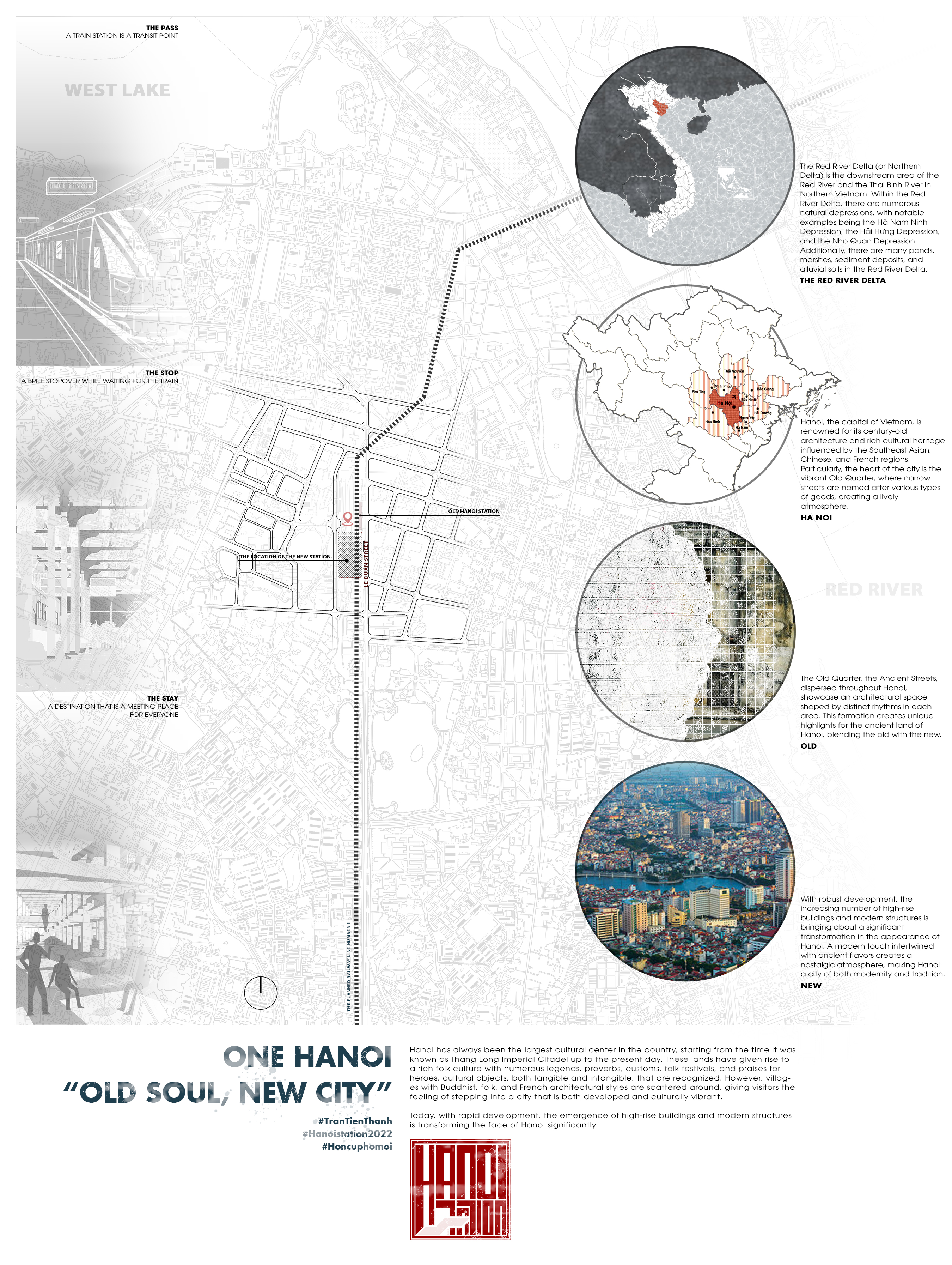
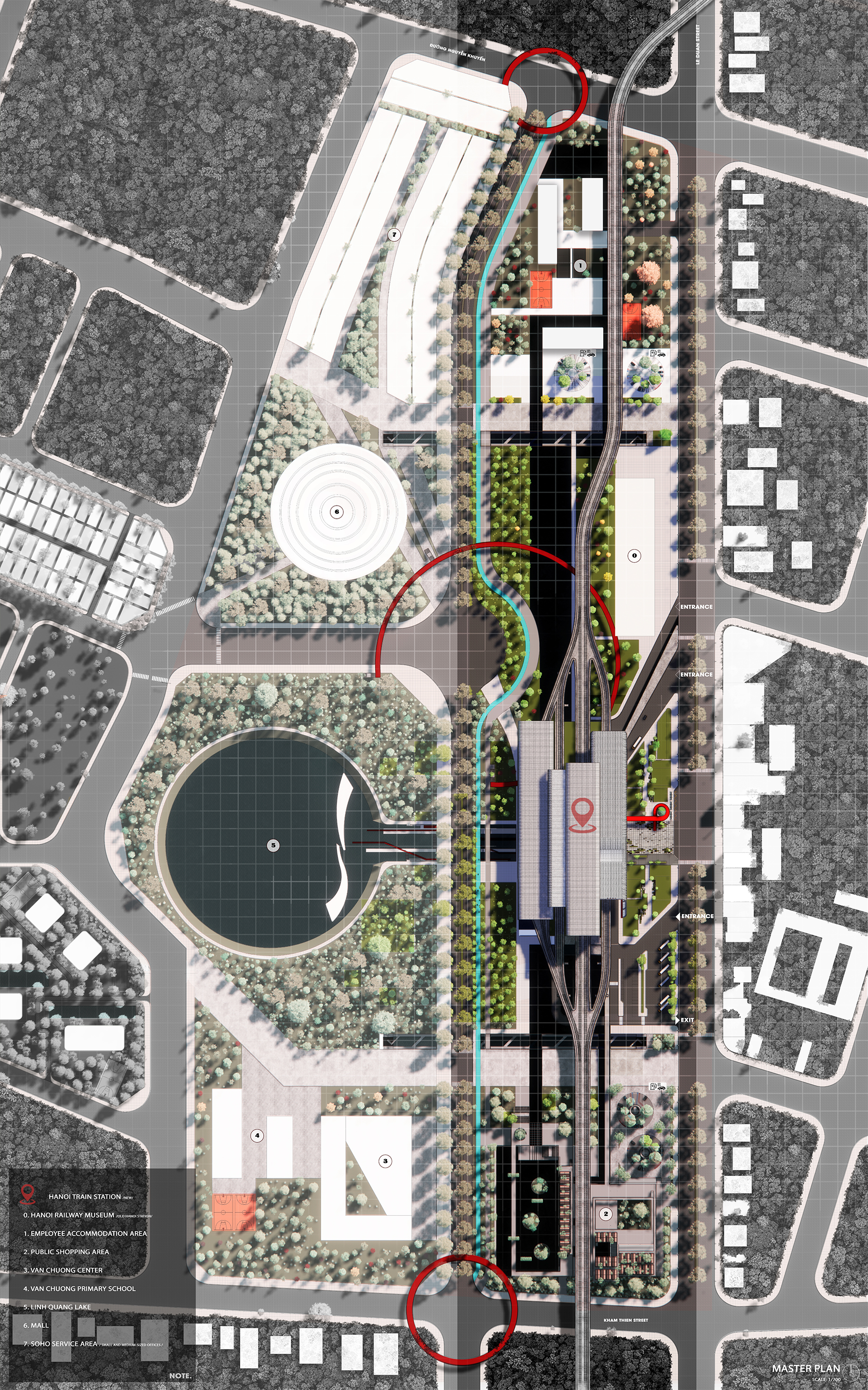
New Urban Planning
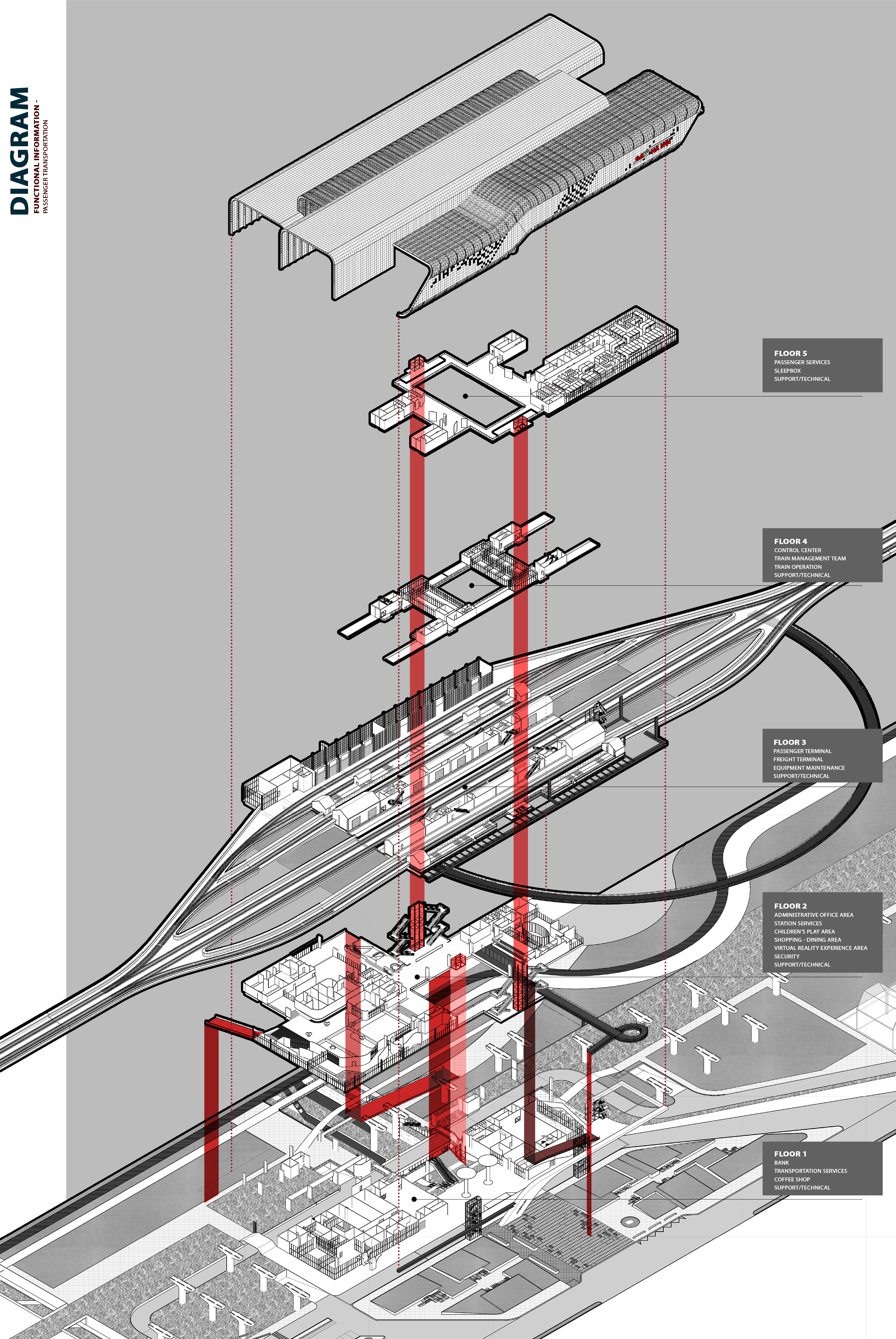
Diagram
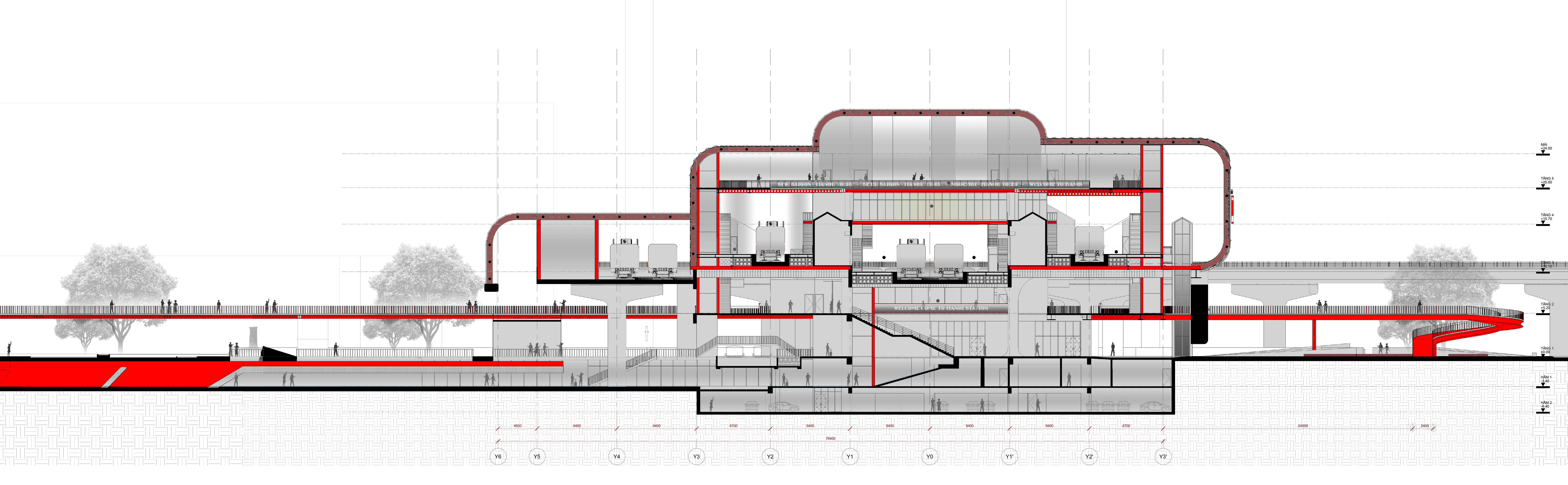
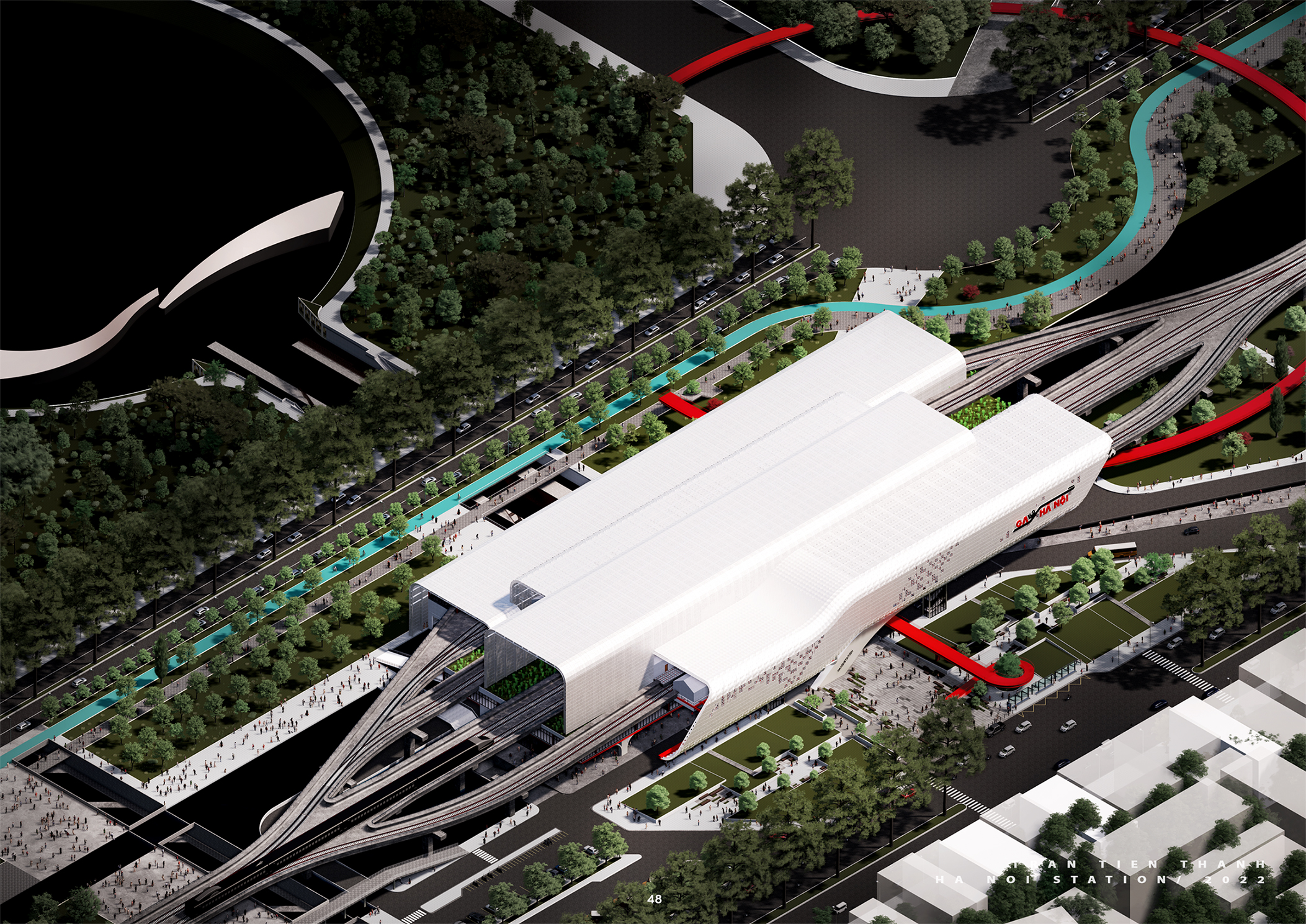
3D Views

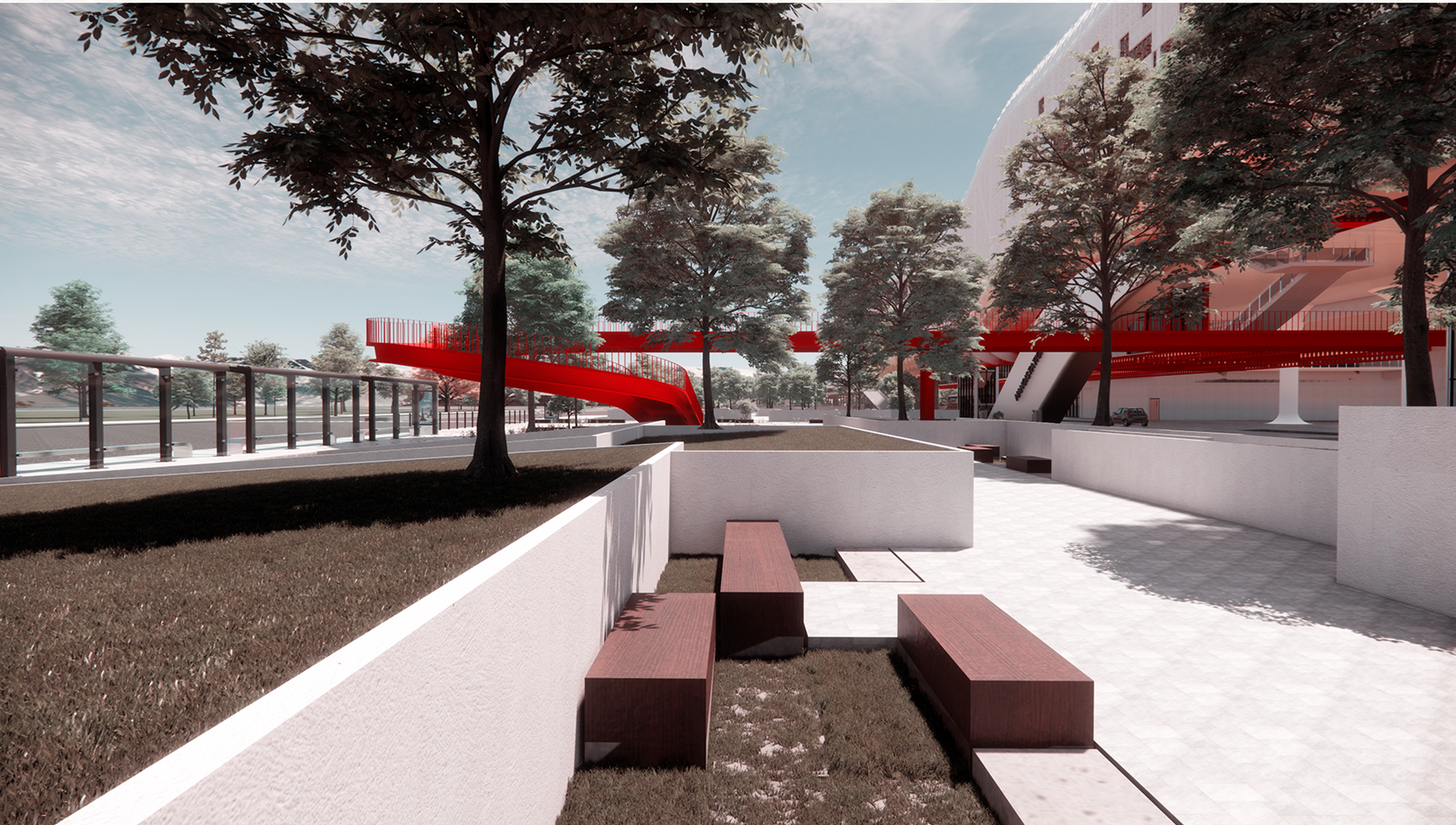
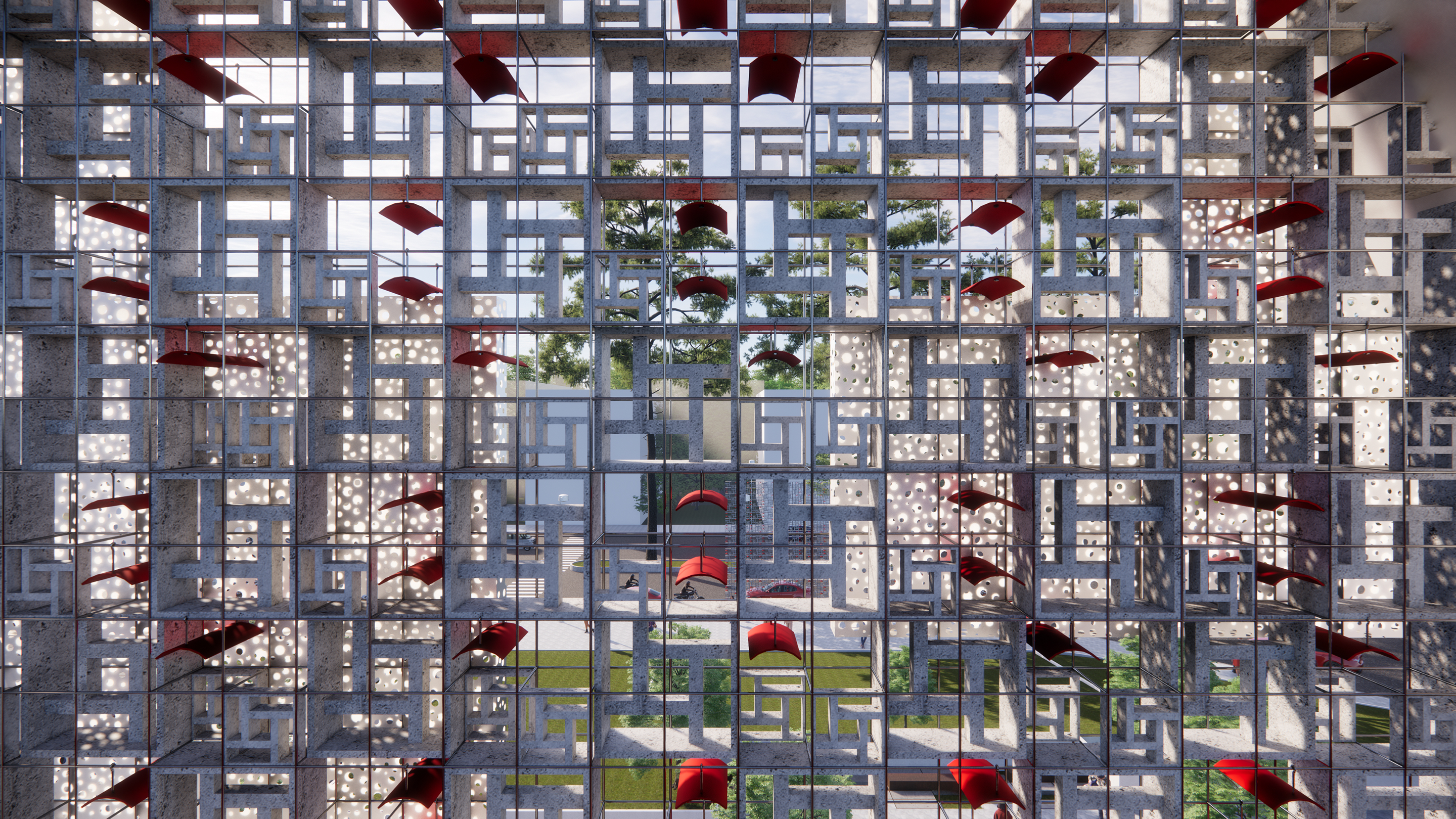
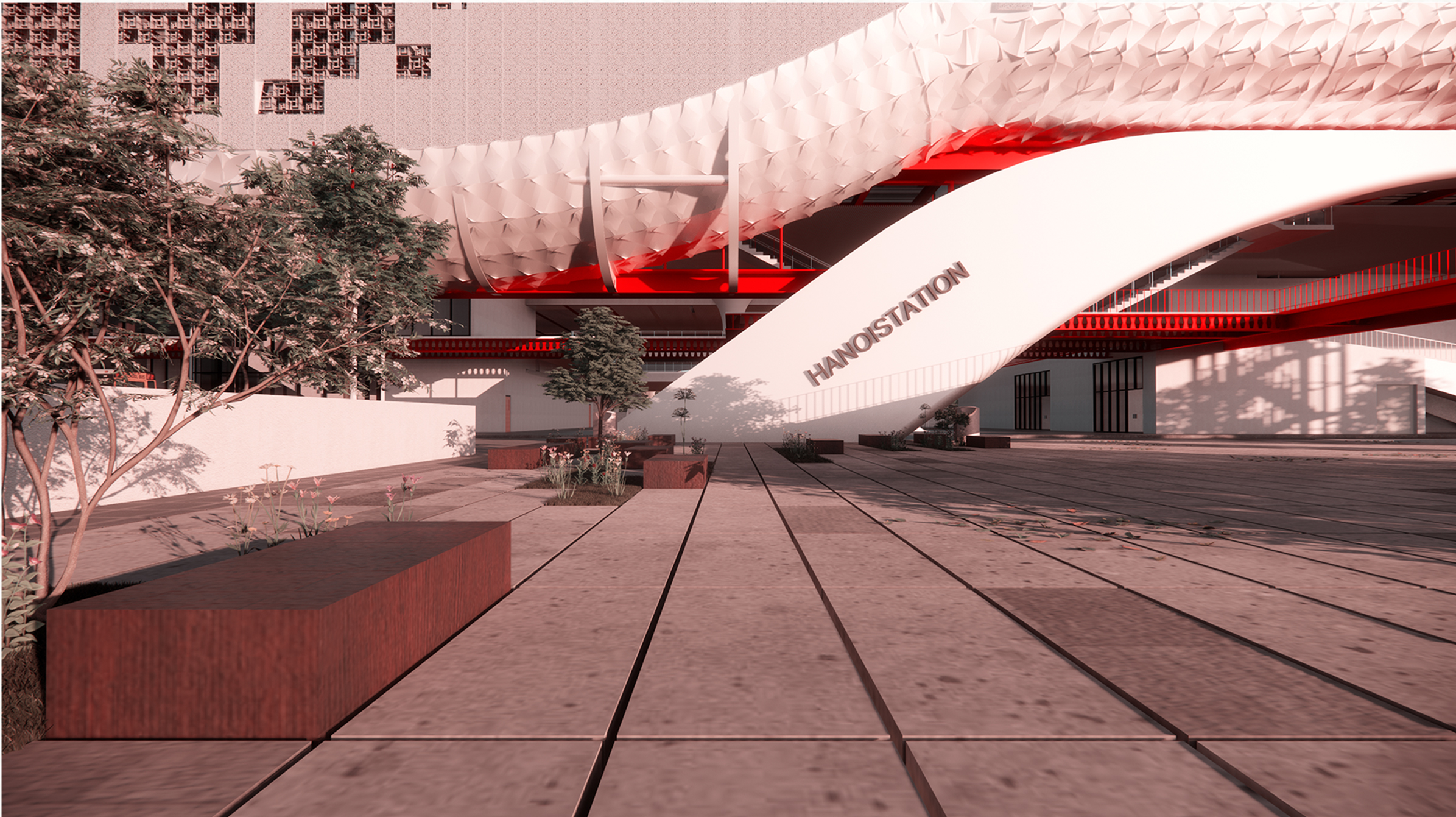
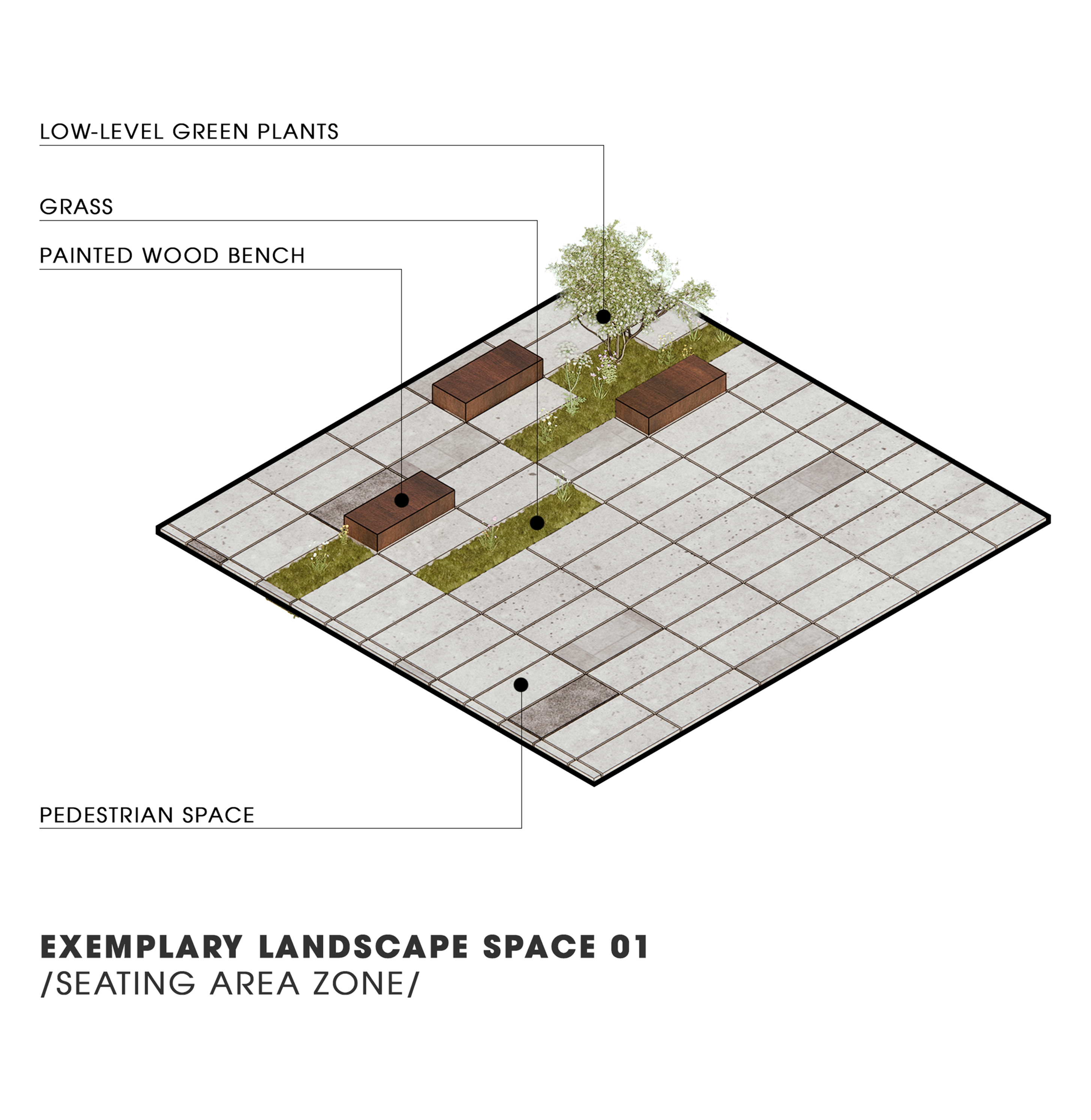
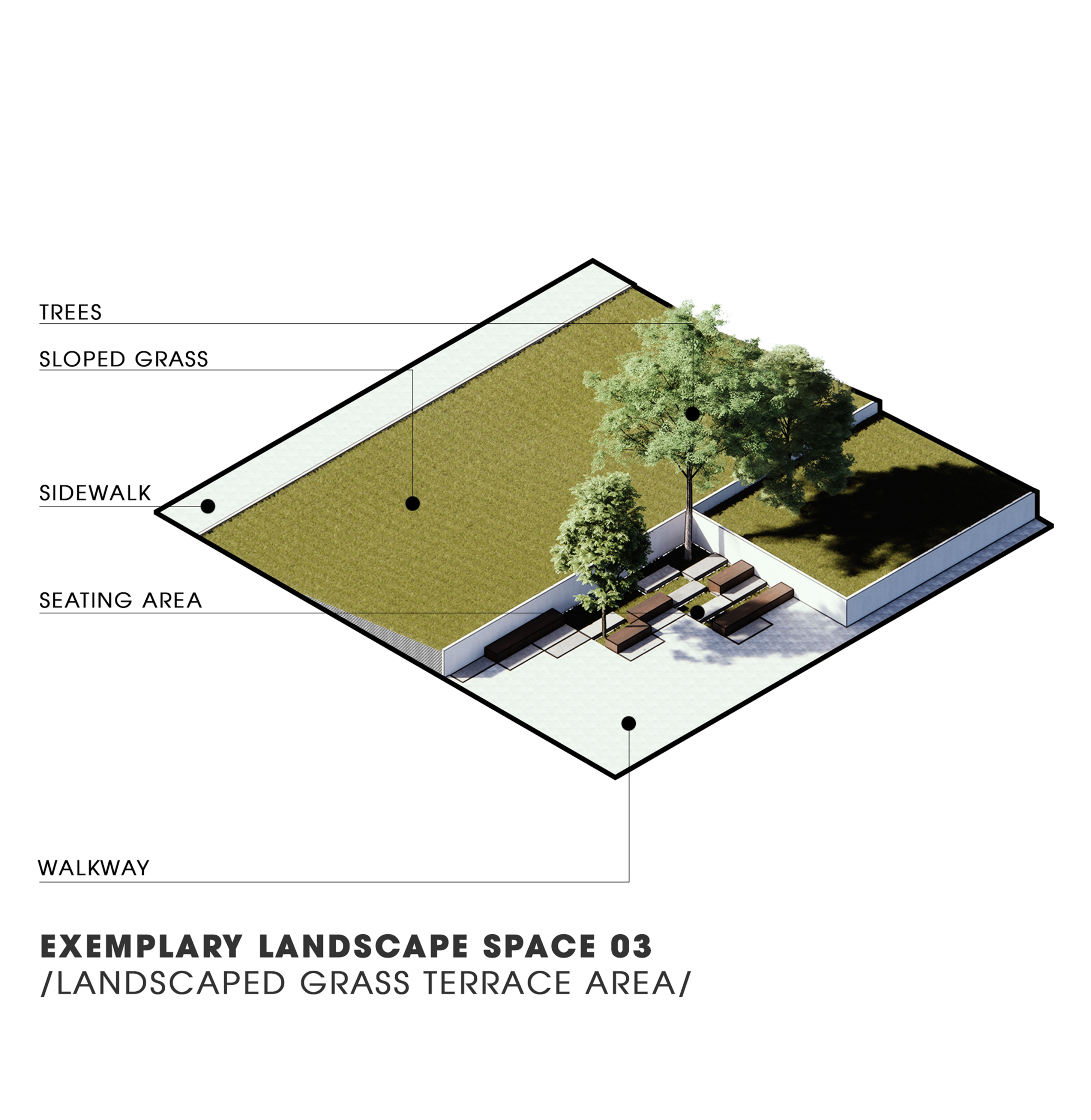
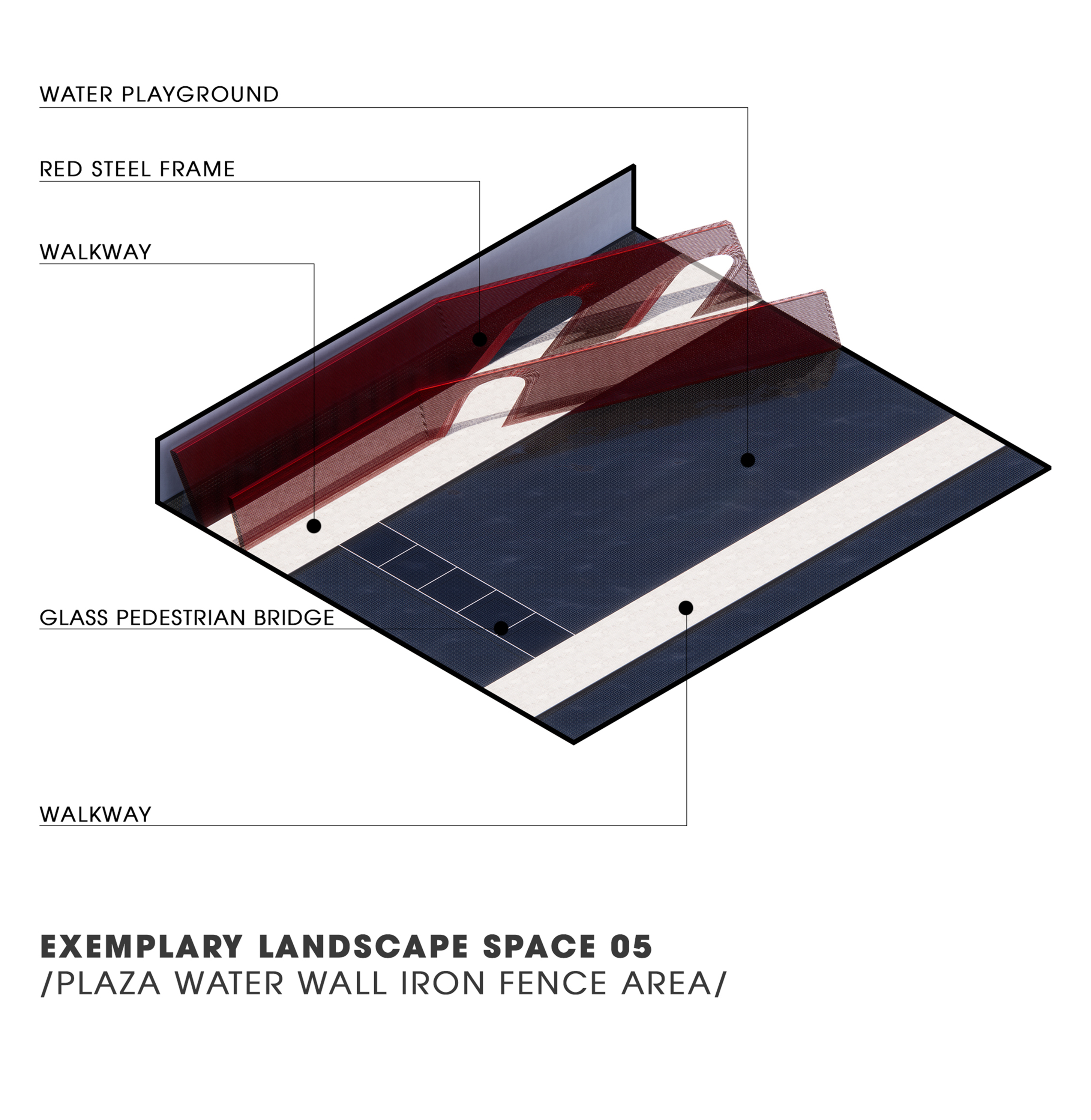
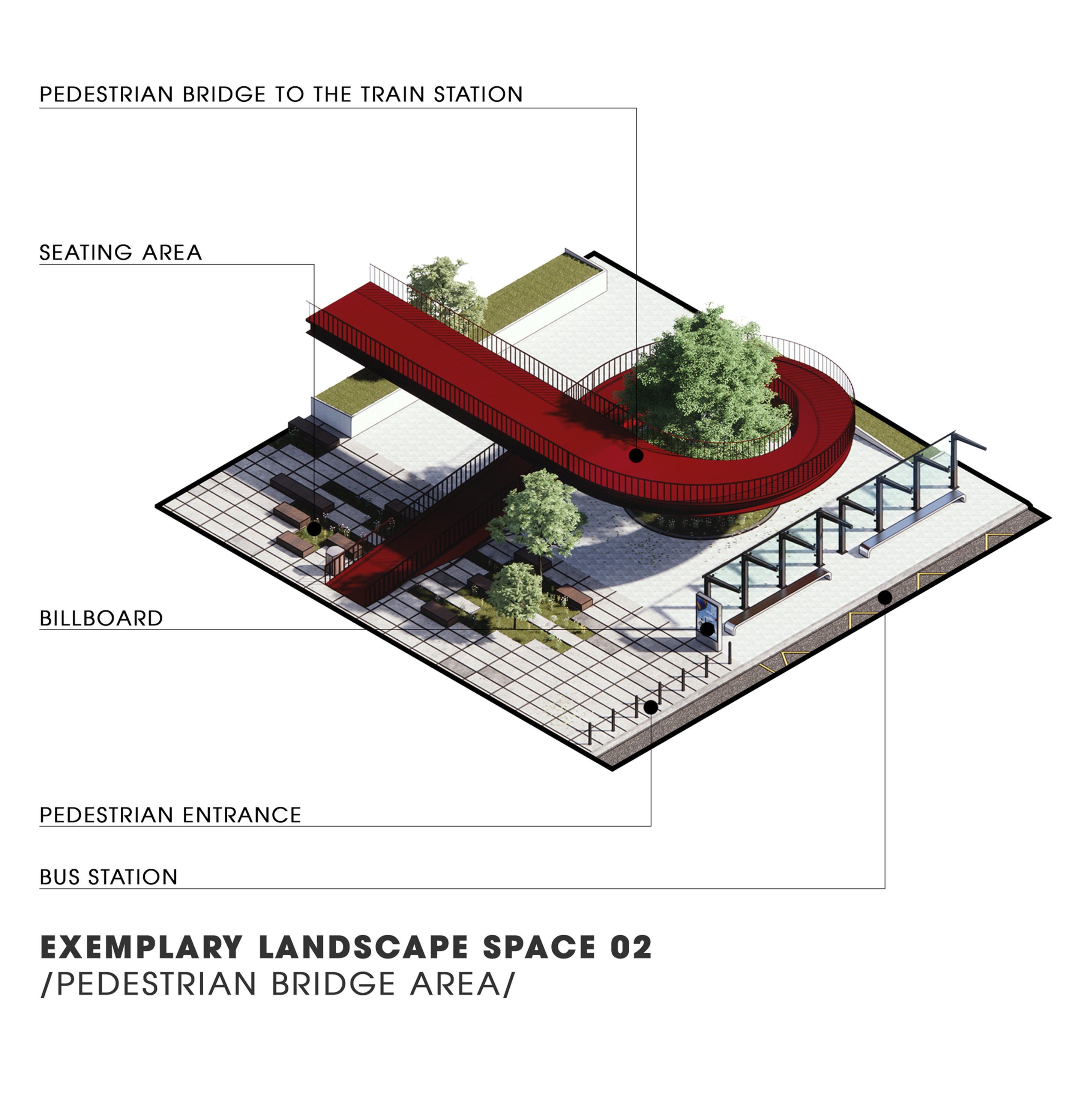
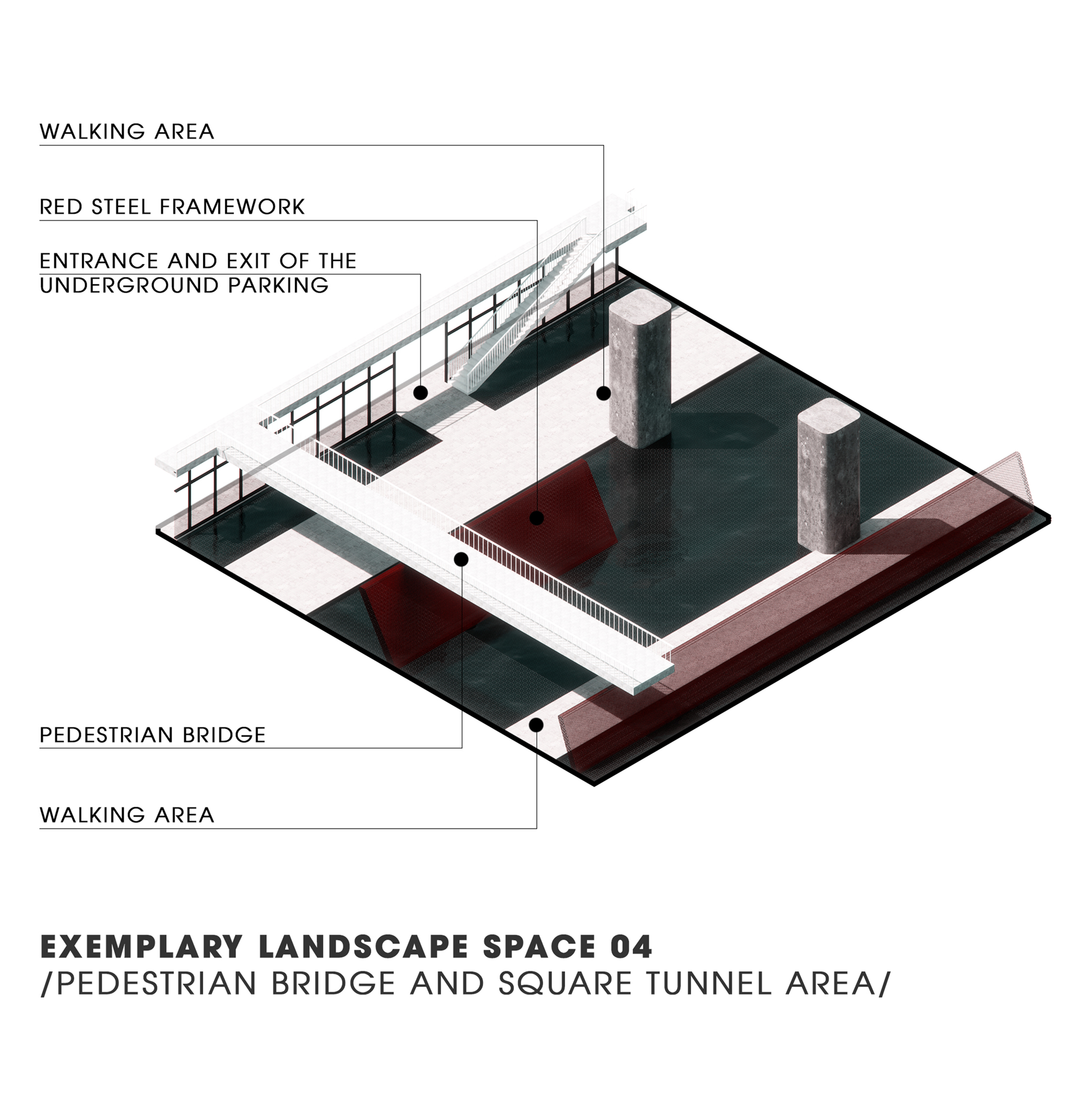
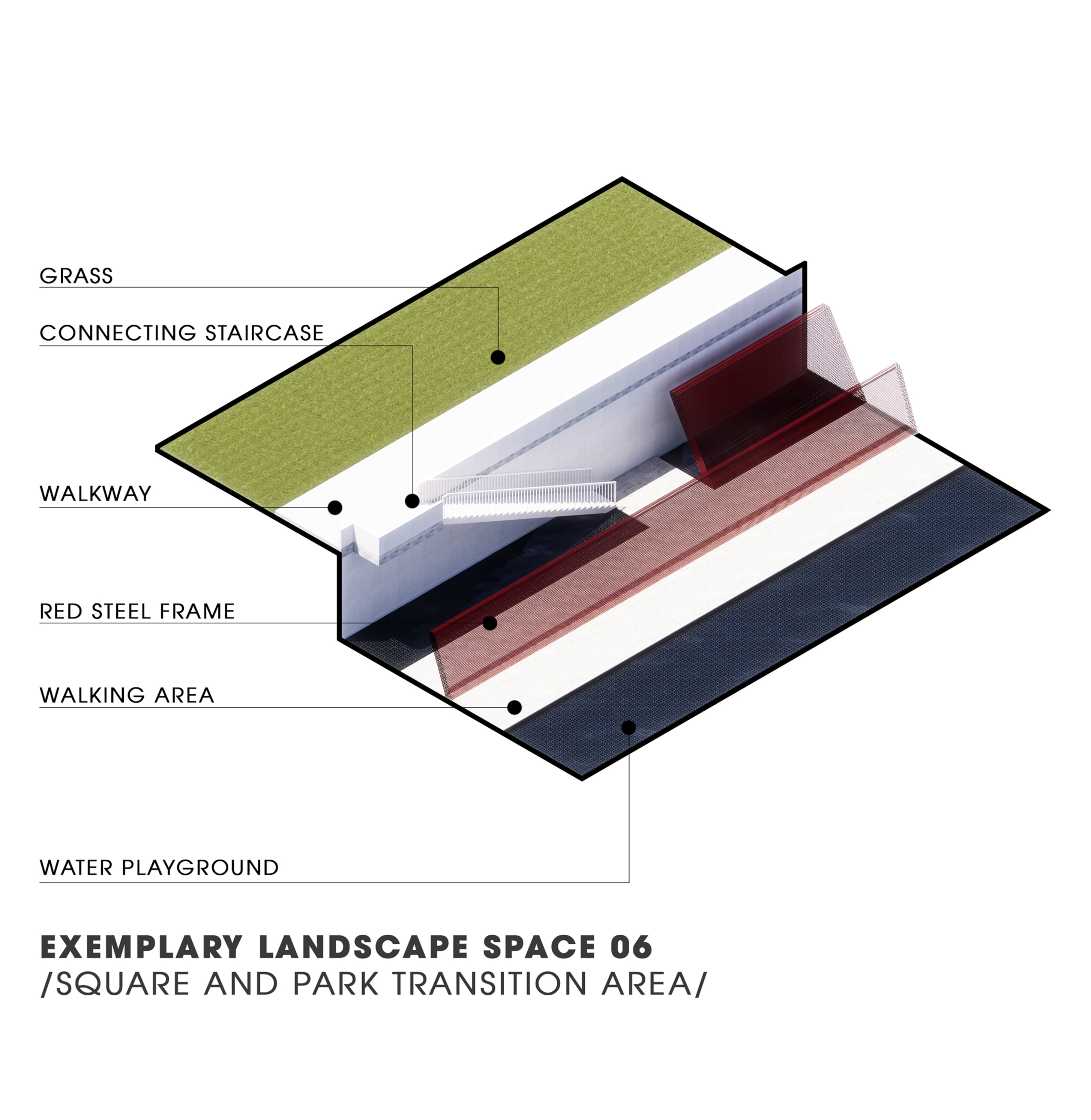
Landscape cubes